
Ultimate Guide To Foundation Repair Products For Homeowners
Explore essential tools and materials to help you understand and select the right solutions for foundation issues.
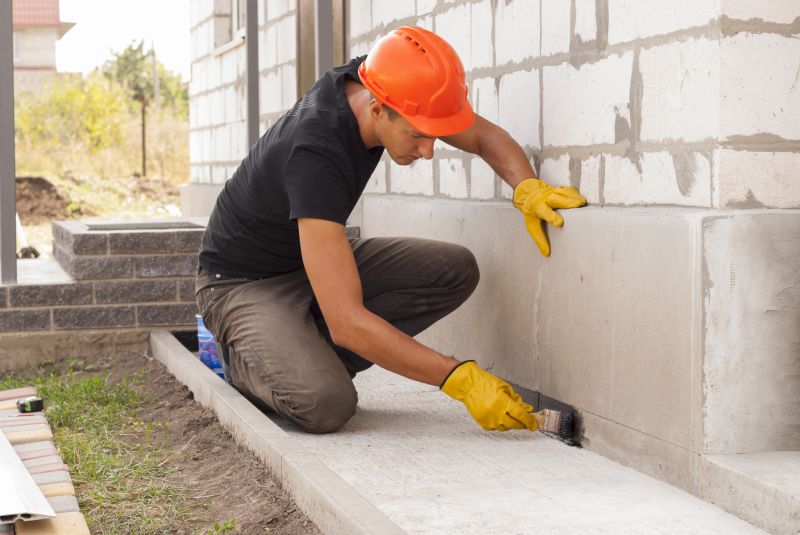 Foundation issues can pose significant challenges for homeowners, especially in regions like Naperville, IL, where soil conditions and weather patterns may contribute to shifting or settling foundations. Addressing these concerns often involves a variety of repair products designed to stabilize, lift, or reinforce the existing structure. It is important to understand the different types of products available, their applications, and the factors to consider when selecting the appropriate solutions for specific foundation problems.
Top Overall Option
Polyurethane Foam Foundation Lifting System
Polyurethane foam foundation lifting systems are versatile and minimally invasive solutions that can address minor to moderate foundation settling. These systems involve injecting high-density foam beneath the foundation to lift and stabilize the structure. They are appreciated for their quick installation, minimal disruption to the property, and ability to fill voids and cracks effectively. While not suitable for severe structural issues, they serve as an excellent option for ongoing maintenance and small-scale repairs.
Types of Products For Foundation Repairs
Injectable Crack Sealants
Used to seal small cracks and prevent water intrusion, these sealants help maintain the integrity of the foundation surface.
Epoxy Injection Systems
Designed to bond and fill cracks in concrete, providing structural reinforcement and preventing further deterioration.
Steel Push Piers
Helical or push piers driven into stable soil to lift and stabilize sinking foundations, suitable for moderate to severe issues.
Helical Anchors
Anchors installed into the soil and attached to the foundation to provide lateral support and prevent movement.
Polyurethane Foam Lifting Systems
Injectable foam used to lift and stabilize foundations with minor settling, offering a quick and minimally invasive solution.
Underpinning Piles
Deep foundation supports that transfer load to more stable soil layers, ideal for significant settlement problems.
Concrete Patching Compounds
Used to repair surface cracks and surface deterioration, restoring appearance and preventing water infiltration.
Soil Stabilizers
Chemical solutions that improve soil strength and reduce shifting beneath foundations.
Grouting Materials
Used to fill voids and stabilize loose soil or fill gaps beneath the foundation.
Carbon Fiber Reinforcement
Applied to walls and beams to add tensile strength and prevent cracking or bowing.
Foundation Jacking Equipment
Hydraulic jacks used in conjunction with underpinning systems to lift and level foundations.
Drainage and Waterproofing Products
Installations aimed at managing water flow around the foundation to prevent future issues.
Vapor Barriers
Installed beneath slabs to prevent moisture infiltration and reduce soil expansion or contraction.
Soil Replacement Materials
High-quality fill materials used to replace unstable soil around the foundation.
Foundation Monitoring Systems
Sensors and devices that track shifts or movements in the foundation over time for early detection.
Popular Choices
A widely used method for minor lifting and stabilization, appreciated for its quick application.
Commonly selected for moderate to severe foundation sinking, offering strong structural support.
Popular for sealing cracks and restoring concrete surfaces, helping to prevent water damage.
Effective for deep foundation support, especially in challenging soil conditions.
Chosen for reinforcing bowing or cracking basement walls without extensive excavation.
Used to fill gaps beneath slabs or piers, providing additional support and stability.
Applied around foundations to prevent water seepage and moisture-related issues.
Installed to improve water runoff and reduce soil pressure around the foundation.
Popular for ongoing assessment of foundation stability over time.
Frequently used for surface repairs and aesthetic restoration.
Applied to improve soil consistency and reduce shifting beneath the foundation.
Commonly used in crawl spaces and slabs to manage moisture levels.
Utilized in conjunction with underpinning to lift and realign foundations.
Help divert water away from foundations, reducing erosion and settlement risks.
Popular for small-scale lifting and void filling due to ease of use.
Used to seal surface cracks and prevent water intrusion.
Selected for deep support needs in challenging soil conditions.
Foundation repair products range from simple crack fillers to advanced underpinning systems. For minor cracks and surface issues, injectable sealants and epoxy compounds can help prevent further deterioration and restore surface integrity. For more substantial issues like uneven settling or sinking, underpinning piers, steel supports, and helical piles are commonly used to lift and stabilize the foundation. These products are typically installed by professionals, but understanding their functions can help homeowners make informed decisions.
When choosing foundation repair products, it is essential to evaluate the severity of the problem, the type of soil, and the structure's age. Proper assessment by a qualified specialist can determine the most suitable products and methods. Additionally, considering the longevity, ease of installation, and compatibility with existing materials can influence the overall effectiveness of the repair. While DIY solutions are available for minor issues, complex problems generally require professional intervention to ensure safety and durability.
Investing in high-quality foundation repair products can help protect the structural integrity of a home, prevent further damage, and maintain property value. Regular inspections and timely repairs are key to managing foundation health, especially in areas with variable soil conditions like Naperville, IL. Whether opting for simple crack fillers or advanced underpinning systems, understanding the options ensures homeowners can select the most appropriate solutions for their specific needs.
Key Buying Considerations
- Assess the severity and type of foundation issue before selecting a product.
- Determine whether the problem is minor, moderate, or severe to choose appropriate solutions.
- Consider the soil conditions and stability of the surrounding ground.
- Evaluate the compatibility of repair products with existing foundation materials.
- Prioritize products that offer durability and long-term stability.
- Check if professional installation is recommended or required for the product.
- Review warranty options and manufacturer support for the repair solutions.
- Consider the ease and speed of installation, especially for DIY options.
- Assess the potential for future expansion or additional repairs.
- Ensure proper assessment and diagnosis from a qualified foundation specialist.
- Look into the product’s ability to address water management and drainage.
- Evaluate the environmental conditions that may influence foundation movement.
- Consider the cost-effectiveness of the repair products relative to the extent of damage.
- Research customer reviews and expert opinions for insights on product performance.
- Verify the availability of replacement parts or accessories if needed.